1 min read
AI Detection & AuthenticityAI Detector False Positives Explained
Learn why AI detectors flag human writing, how false positive rates vary, and what detection scores really mean.
Article category
How AI detectors work, what their scores mean, and how to assess content authenticity.
Learn why AI detectors flag human writing, how false positive rates vary, and what detection scores really mean.

Learn how accurate AI detectors are, what affects reliability, and how to interpret false positives and AI scores.
Compare AI-generated text and human writing, including key differences, detection limits, and fair content review methods.
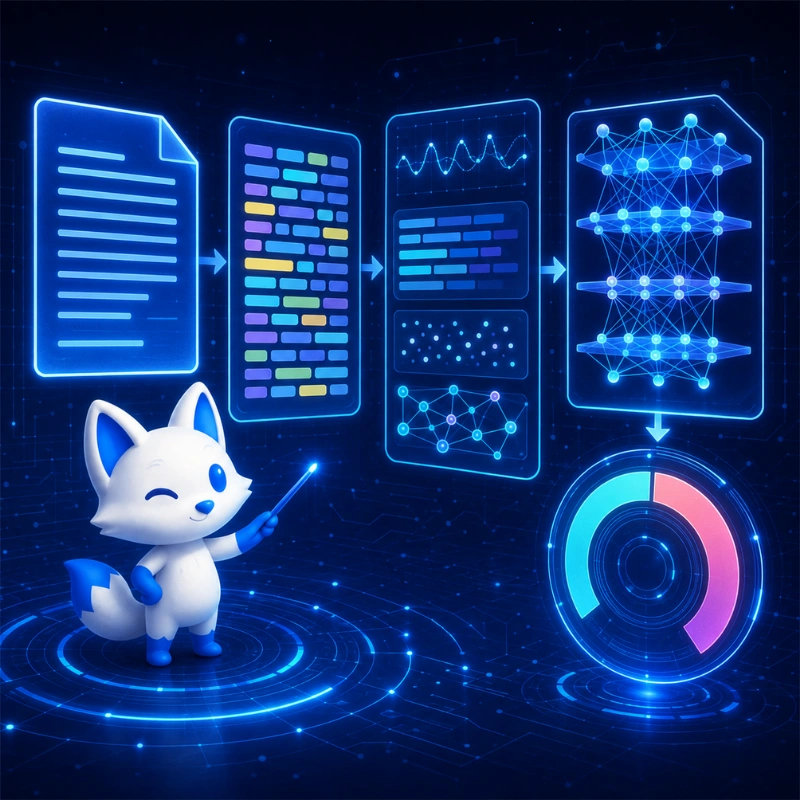
Learn how AI content detectors analyze writing patterns, calculate scores, and why their results are not definitive.
Learn how to detect AI-generated text using AI detectors, writing patterns, fact checks, and contextual evidence.

Results vary widely by tool and detector, and rewriting carries costs the pricing pages leave out. What to check before you use one.
Two detectors, one essay, two scores. What accuracy claims leave out, and how to read a detection result you cannot verify.
No outside tool reproduces a Turnitin score. Here are the criteria that actually matter when picking one, and a self-check worth running.
Turnitin needs 300 words, supports three languages, and reports AI-paraphrased text separately. What it covers and what it does not.
A flag is a probability, not a finding about you. Why human writing gets flagged, what evidence helps, and how to respond if accused.
10 articles in this category